

Referrer Details
Make a referral
When “Daniel” (name changed to protect his identity) came to the Domestic Abuse (DA) Alliance following a referral through WEPROTECT, he was seeking legal protection after experiencing controlling behaviour, verbal and emotional abuse, intimidation and harassment.
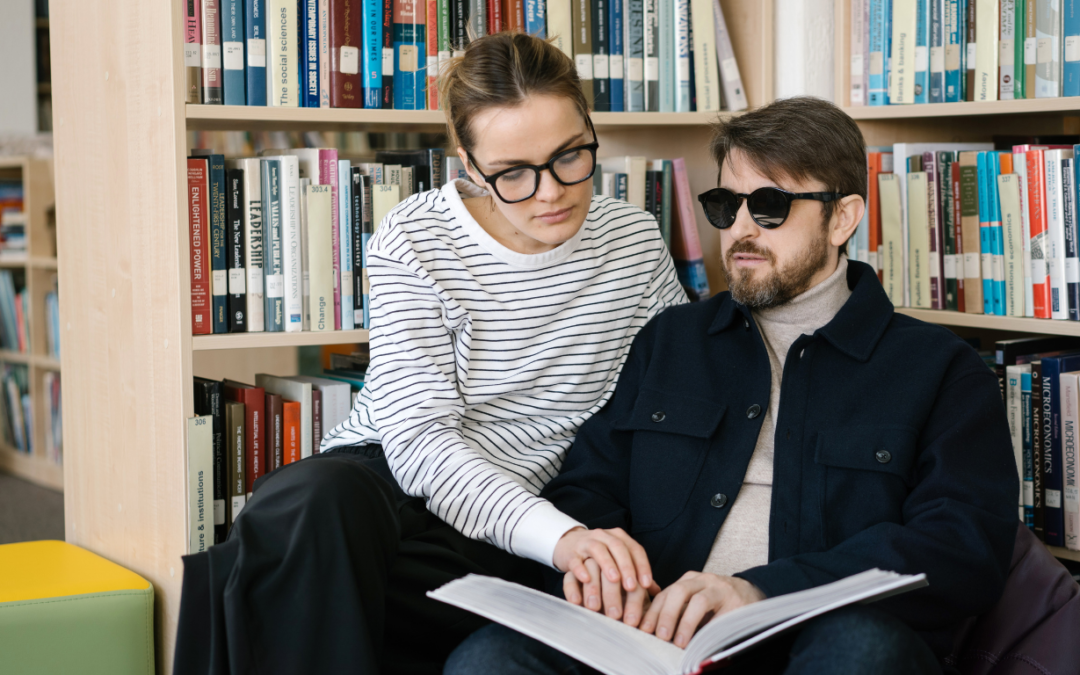
As a blind survivor, navigating the court process presented an additional challenge. Much of the standard application process - from understanding the documentation required for Legal Aid to reviewing a witness statement and court documents - relied heavily on written information that was not independently accessible to him.
Daniel's case highlights the importance of accessible domestic abuse support, ensuring that disability does not become an additional barrier to seeking legal protection.
The DA Alliance casework team adapted the way support was provided throughout Daniel's application for a Non-Molestation Order, ensuring he could understand, participate in and make informed decisions about every stage of the process.
For caseworker Grace Yamoah, who supported Daniel throughout his application, this meant listening carefully to what he needed and adapting the usual process around him.
A Pattern of Control, Intimidation and Harassment
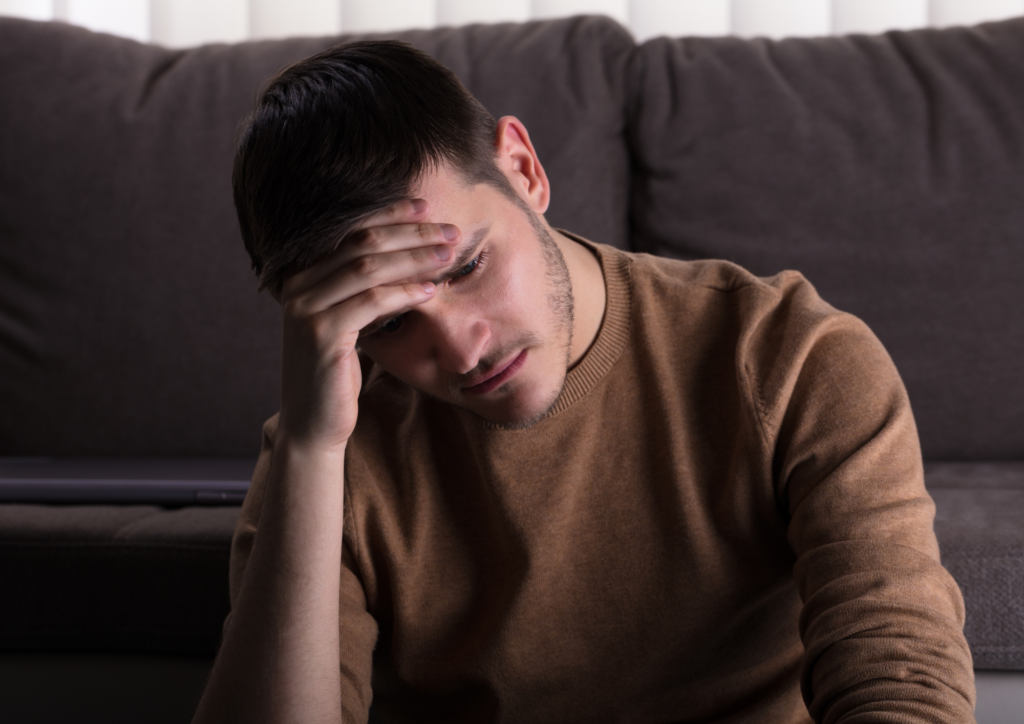
Daniel described a relationship that had become increasingly dominated by verbal and emotional abuse, controlling behaviour and intimidation.
Over time, his attempts to raise concerns or express his views were repeatedly dismissed. He described being subjected to degrading and insulting language during disagreements and increasingly withdrawing into himself out of fear of further verbal hostility.
The emotional impact extended further. During arguments, Daniel's partner would refer to his own poor mental health, accuse Daniel of failing to support him and place responsibility for his emotional wellbeing onto Daniel. Despite Daniel encouraging him to seek professional help, those attempts were rejected.
Over time, Daniel began questioning himself and his own perception of what was happening. The psychological impact became so significant that he sought therapy to help him cope with the distress caused by the relationship.
Mental health difficulties are not themselves abusive. However, within a wider pattern of coercive or controlling behaviour, references to mental health can become a means of emotional manipulation when they are used to avoid responsibility, silence a partner's concerns or make another person feel responsible for someone's wellbeing.
The controlling behaviour also affected Daniel's independence outside the relationship, including his professional life. He described being pressured to give up work-related plans after his partner attempted to prevent him from attending and made threats towards others, leaving Daniel fearful that continuing with his plans could lead to confrontation or harm.
Abuse After Separation
When Daniel eventually ended the relationship, the behaviour did not stop.
He reported persistent unwanted contact and harassment, including repeated calls, messages and voice notes. Even after taking steps to block communication, his former partner continued finding ways to contact him against his wishes.
The harassment also moved into digital spaces. Daniel described his identity being misused online without his consent, exposing him to unwanted attention and causing considerable embarrassment and distress.
His professional life was also targeted. Daniel described malicious actions that he believed were intended to undermine his livelihood and damage his professional reputation.
At the same time, his former partner repeatedly threatened self-harm and suicide. These messages placed Daniel under further emotional pressure and caused significant distress.
References to the wellbeing of a pet were also incorporated into these messages, with Daniel receiving distressing claims about the animal's health alongside threats of death and self-harm.
Threats of self-harm or suicide should always be taken seriously. However, when they are repeatedly used within a wider pattern of abuse to frighten someone, force continued engagement or make them feel responsible for another person's actions, they can also become a means of emotional control.
Similarly, animals can become part of abusive behaviour. Threats involving a pet, or using concern for an animal's welfare to cause distress, can provide another means of maintaining emotional pressure and control over a survivor. This connection between animal welfare and domestic abuse is something the DA Alliance has previously highlighted through its support for Holly's Law, recognising how harm or threats involving animals can overlap with abuse within relationships.
The unwanted contact eventually escalated to threats of physical violence. Daniel reported receiving repeated threatening messages, including threats that his former partner would find and physically harm him.
The cumulative effect left Daniel fearful for his physical safety and significantly affected his ability to live without anxiety and apprehension.
Seeking legal protection became an important step towards helping him establish boundaries and regain a sense of security and independence.
Providing Accessible Domestic Abuse Support

Accessible support means more than providing a route to legal assistance. Survivors must also be able to understand and participate in the process that follows.
Applying for a civil protection order involves a significant amount of written information. For someone who is blind, seemingly routine stages – reading correspondence, understanding what evidence is required, reviewing a witness statement or checking documents before they are submitted to court – can create additional barriers.
Daniel regularly uses accessibility tools and support in his everyday life. His legal application therefore needed to be approached in a way that enabled him to participate fully without relying on inaccessible written information.
Rather than expecting Daniel to adapt to the process, Grace adapted the process to Daniel.
Documentation required for his Legal Aid assessment was explained to him over the telephone so that he understood what was needed.
When his witness statement was prepared, Grace read it aloud to him in full. She worked through the statement with Daniel, made necessary revisions and ensured that he understood the information that would be presented to the court.
Where required, Grace also signed documentation on his behalf.
These adjustments helped ensure that Daniel's visual impairment did not prevent him from understanding or participating in his own application.
Making the Court Process Accessible
Accessibility also needed to extend beyond preparing the application.
Recognising the difficulties Daniel could face attending and navigating a court hearing in person, Grace liaised with the court to request a remote hearing for his application.
It was one more practical adjustment, but an important one: considering accessibility from the beginning rather than allowing it to become another obstacle at an already difficult time.
Throughout the case, Grace adapted her communication and approach around Daniel's individual requirements, while ensuring the same care was taken over the accuracy and completeness of his application.
Daniel was supported throughout his application for a Non-Molestation Order, with practical adjustments made to help ensure he could access and navigate the legal process.
Different Needs, the Same Right to Protection
No two survivors experience domestic abuse in exactly the same way, and the barriers they face when seeking help can be equally different.
For disabled survivors, those barriers can extend beyond the abuse itself. Systems that depend heavily on written communication, physical attendance or standardised processes can unintentionally make accessing support more difficult.
This case demonstrates why accessible domestic abuse support cannot be one-size-fits-all.
Grace has previously supported a Deaf survivor referred through WEPROTECT, working alongside a British Sign Language interpreter to ensure her experiences could be accurately documented. Supporting Daniel required a very different approach - this time adapting written communication, document review and arrangements with the court around the needs of someone who is blind.
What remained the same was the principle behind that support: understanding the individual first, identifying the barriers they face and finding practical ways to remove them.
It also reflects the adaptability of the wider DA Alliance casework team. Survivors may come to the service with different disabilities, communication requirements, personal circumstances and experiences of abuse. Effective support means recognising those differences rather than expecting every person to navigate the same pathway in the same way.
For Grace, patience, careful communication and attention to the individual have been central to supporting survivors with very different accessibility needs.
Accessible Support Should Be Part of Protection
Domestic abuse can affect anyone, but it does not always look the same.
Daniel's experience included verbal degradation, restrictions on his independence, emotional manipulation, digital harassment, threats of self-harm, the use of concern for a pet as emotional pressure, interference with his professional life and threats of physical violence.
Recognising these different behaviours as part of a wider pattern of abuse is important. Equally important is recognising that survivors may face very different barriers when they decide to seek help.
Disability should never mean that a survivor's experience is harder to communicate, that legal information is harder to understand, or that protection is harder to access.
Daniel's case shows what can happen when accessibility is considered as an integral part of support rather than an additional requirement: information can be communicated differently, processes can be adapted and practical barriers can be addressed while ensuring the survivor remains fully involved in decisions about their own case.
Through the WEPROTECT referral pathway, individualised casework and reasonable adjustments, the DA Alliance works to provide accessible domestic abuse support so that survivors with different needs can access civil legal support and protection in a way that works for them.
Because accessible justice begins with recognising that equal support does not always mean providing support in exactly the same way.