

Referrer Details
Make a referral
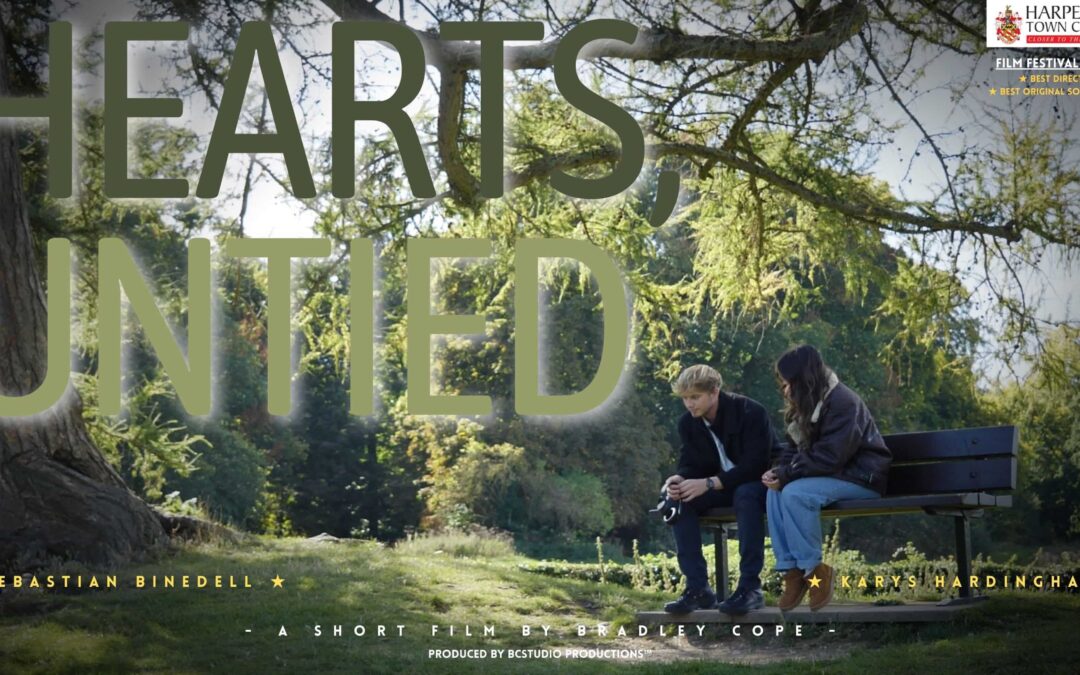
 Produced by BCStudio Productions™, © "Hearts, Untied" is a powerful new short film exploring how a relationship that begins with love can gradually become controlling, manipulative, and harmful.
Released during Men's Health Week, the film shines a light on domestic abuse experienced by male victim-survivors while encouraging wider conversations about healthy relationships, emotional wellbeing, and seeking support.
We are pleased to be among a number of organisations helping to share © "Hearts, Untied", alongside ManKind Initiative and Mens Alliance NI. By bringing attention to stories such as these, we can help encourage conversations about domestic abuse, challenge stigma, and remind people that support is available.
We spoke with producer, writer and director Bradley D. Cope about the inspiration behind the film, the messages he hopes audiences will take away, and why awareness remains so important.
What inspired you to create © "Hearts, Untied"?
Bradley D. Cope:
When I wrote © "Hearts, Untied", I had never personally experienced a romantic relationship. However, I wanted to create a story that would resonate emotionally with audiences while shining a light on a subject that is too often overlooked: domestic abuse against men.
The inspiration came from a desire to explore how a relationship can begin with genuine love and gradually develop into something harmful. As I wrote, I placed myself in the perspective of each character, paying close attention to their emotions, motivations, and vulnerabilities.
My goal was to ensure that every scene felt authentic and reflected the subtle shift in tone from a beautiful, loving relationship to one bruised by manipulation and abuse.
Ultimately, I hope © "Hearts, Untied" encourages conversations about domestic abuse in all its forms and helps audiences connect with the experiences of those who too often suffer in silence.
Why did you feel this story was important to tell now?
Bradley D. Cope:
"I felt this was an important story to bring to audiences right now because many men still struggle to speak openly about their emotions and experiences.
There is still too often an expectation for men to remain strong, silent, and resilient, even when they are facing incredibly difficult situations.
Domestic abuse in particular is a subject that can carry a great deal of stigma for male victims, and as a result, many really do suffer in silence.
At its core, the film is a reminder that men experience pain, fear, heartbreak, and abuse too. Men cry. Men struggle. Men deserve to be heard.
If the film encourages even one person to speak up about what they are going through, then I feel we have achieved something meaningful."
What message do you hope audiences take away from the film?
Bradley D. Cope:
With © "Hearts, Untied", I hope audiences come away with a greater understanding that abuse is not always obvious. It can be hidden beneath affection, romance, and emotional attachment, making it difficult for victims to recognise what is happening until they are deeply affected by it.
One of the key themes of the film is that anyone can experience abuse, regardless of gender. Male victims in particular can face unique barriers when it comes to recognising abuse, speaking about it, or seeking help, which can leave many feeling isolated and unheard.
Above all, I want my audience to know that they are not alone.
Through © "Hearts, Untied", we wanted to tell a story that offers compassion, understanding, and hope.
What warning signs and behaviours did you want to highlight?
Bradley D. Cope:
One of the key things I wanted to explore was how abuse can be masked by love at the beginning. That sense of affection, intensity, or dependence can make it difficult for a victim to recognise when the dynamic is shifting into something unhealthy.
I also wanted to show how guilt and emotional pressure can be used, where a victim is made to feel bad for pulling away, setting boundaries, or trying to protect themselves.
Another important element was the confusion that can be created when roles are distorted. At times, the abuser can present themselves as the victim, leaving the real victim questioning their own experience or feeling responsible for the situation.
What misconceptions about abuse did you most want to challenge?
Bradley D. Cope:
"One of the biggest misconceptions I wanted to challenge with © "Hearts, Untied" is that abuse is something that only happens in extreme, obvious situations. In reality, it can be subtle, gradual, and very easy to miss from the outside until someone is already deeply emotionally invested.
I also wanted to highlight that abuse can happen to anyone, including men. There is still a strong stigma around male victims of domestic abuse, and I think that can make it even harder for men to recognise what they are experiencing or feel comfortable speaking about it.
Another misconception I wanted to challenge is the idea that victims should 'just leave' once they realise something is wrong. The emotional side of abuse is far more complicated than that, especially when love, dependency, and manipulation are all intertwined."
What role can film and storytelling play in prevention and early intervention?
Bradley D. Cope:
I believe film and storytelling can play an important role in prevention because they allow audiences to connect with experiences on an emotional level.
In © "Hearts, Untied", viewers experience Ateca's relationship as it unfolds and witness the subtle changes in his confidence and wellbeing.
For younger audiences especially, storytelling can provide an accessible way to explore what healthy and unhealthy relationships look like.
Ultimately, prevention begins with awareness. If a film can encourage someone to identify harmful behaviour earlier, start a conversation, or reach out for support, then it has achieved something meaningful.
Bradley D. Cope:
If someone recognises elements of their own relationship in © "Hearts, Untied", I would first want them to know that their feelings are valid, and that what they are noticing is important.
My advice would be to trust your gut instincts and take what you are feeling seriously. If something consistently leaves you feeling uncertain, diminished, or isolated, it is worth speaking to someone you trust or reaching out for support.
You do not have to make sense of it alone.
More than anything, I would want them to know that help exists, and that there is no shame in seeking it.
Why is it important to signpost support services alongside storytelling like this?
Bradley D. Cope:
Awareness on its own isn't always enough. Storytelling can open the door emotionally. It can help someone recognise a feeling, a situation, or even just a pattern they hadn't been able to put into words before.
If a film is going to explore something as serious as domestic abuse, then it shouldn't leave people in that space without direction.
For me, it's about making sure audiences know they are not alone in what they might be feeling, and that there are organisations, charities, and people whose job it is to support them.
A Final Message
When asked what single message he would like audiences to take away from the film, Bradley said:
Abuse can happen to anyone, and it is not always immediately visible. It can be subtle, emotional, and often hidden beneath what appears to be true love or affection.
More than anything, I want the film to remind people that they are not alone. Whether someone is directly experiencing something difficult, or supporting someone who is, there are conversations to be had and help available. No one should feel they have to go through anything in silence.
Support Is Available
If you recognise aspects of your own relationship in © "Hearts, Untied", or if you are concerned about someone you know, support is available.
Domestic abuse can affect anyone, regardless of gender, age, background, or circumstance. No one should feel they have to face abuse alone.
If something does not feel right in a relationship, trust your instincts and speak to someone you trust or a support organisation. Reaching out for support can be the first step towards understanding your situation more clearly and protecting your well-being.
You can find support and information through our Support Services Directory, which includes specialist services for all victim-survivors of domestic abuse.
Watch © "Hearts, Untied"
Produced by BCStudio Productions™, © "Hearts, Untied" is available to watch free of charge as an awareness resource designed to encourage discussion, reflection, and greater understanding of domestic abuse.
Watch the film here